


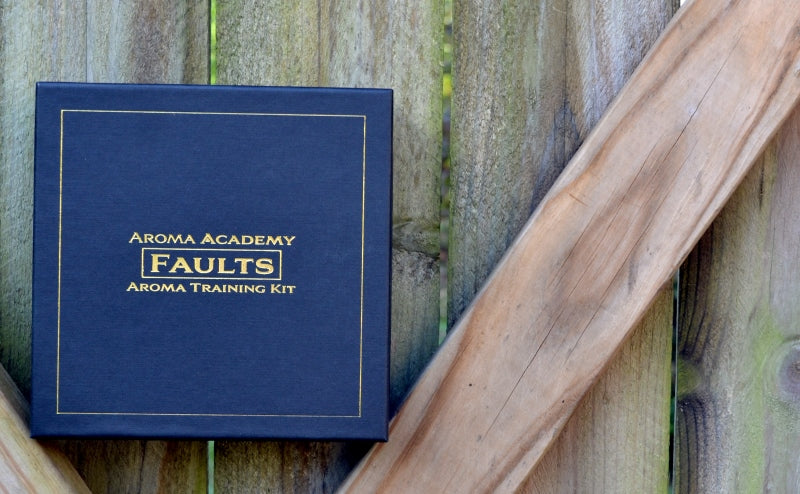


Faults Aroma Masterclass Kit
Know instantly when a bottle has gone wrong, and exactly why.
Every wine professional can name a fault in one sniff, because a trained nose protects every bottle they serve, sell or cellar. This is the most complete fault-detection training you can do at home: 30 standards covering production, fermentation, maturation and the cork itself, including TCA at four separate intensities so you learn where your own threshold sits.
Who it's for
- Sommeliers and service staff who send bottles back for a living
- Winemakers, distillers and QC teams running a sensory panel
- Judges and educators who need a shared fault vocabulary
What a session actually looks like
Work in a well-ventilated room with no competing smells. Label an aroma strip, bend one end, dip it no more than a centimetre into the first bottle and set it down. Bring the strip to your nose with short, sharp breaths. If the first impression is overpowering, set the strip down and come back to it — the aroma lifts off gradually and settles to a level you can work with. Name it yourself before you read anything. Then open the guide, compare your description with the reference, and write your own words next to it.
A first pass through all 30 takes an evening. The method is built to be repeated over weeks, because recognition is memory, not talent. The last stage is to have someone blind-test you.
What's in the box
- 30 Aroma Standard solutions in individually labelled bottles, each one a single fault held at a calibrated strength
- A pack of professional aroma strips for clean, repeatable nosing
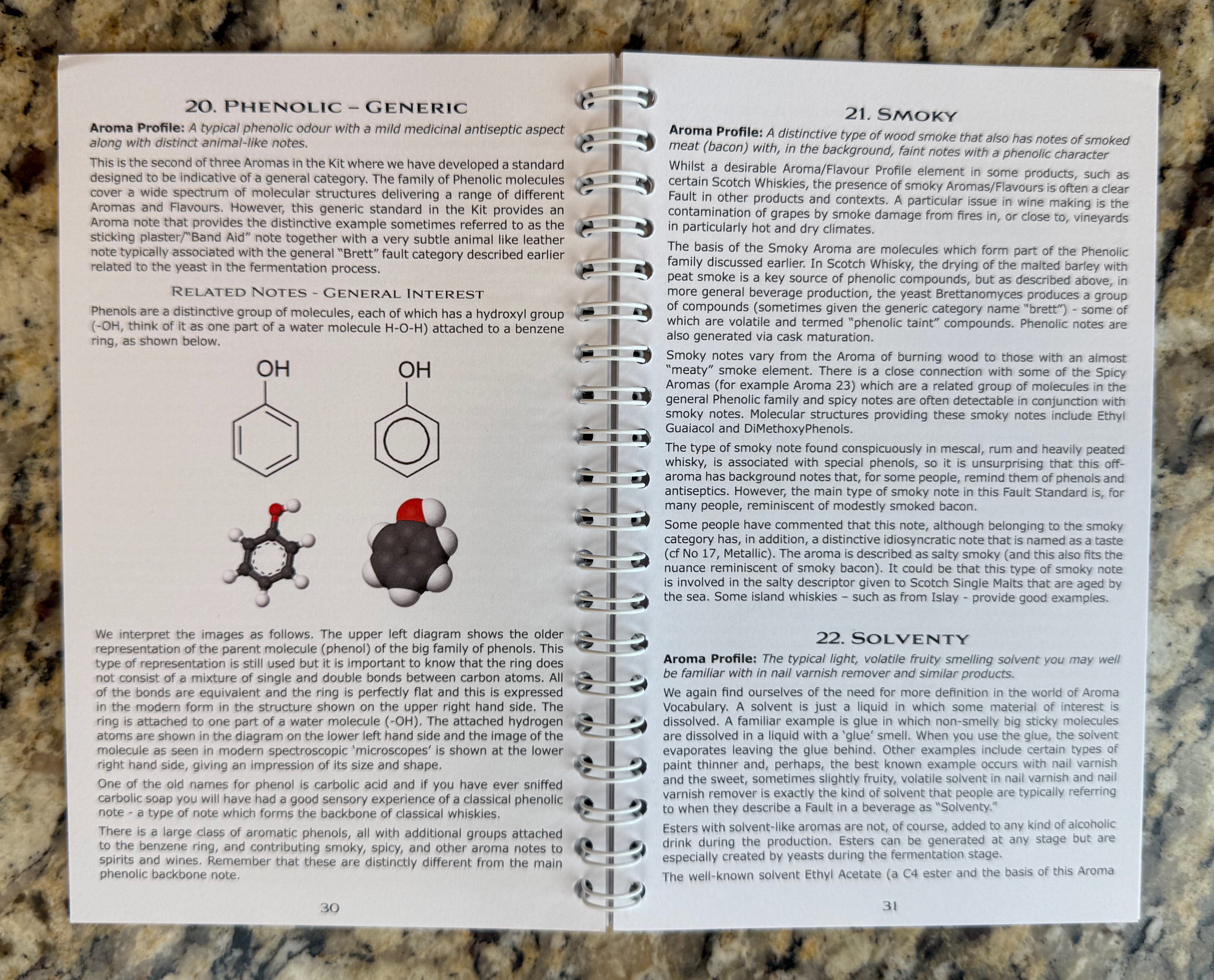
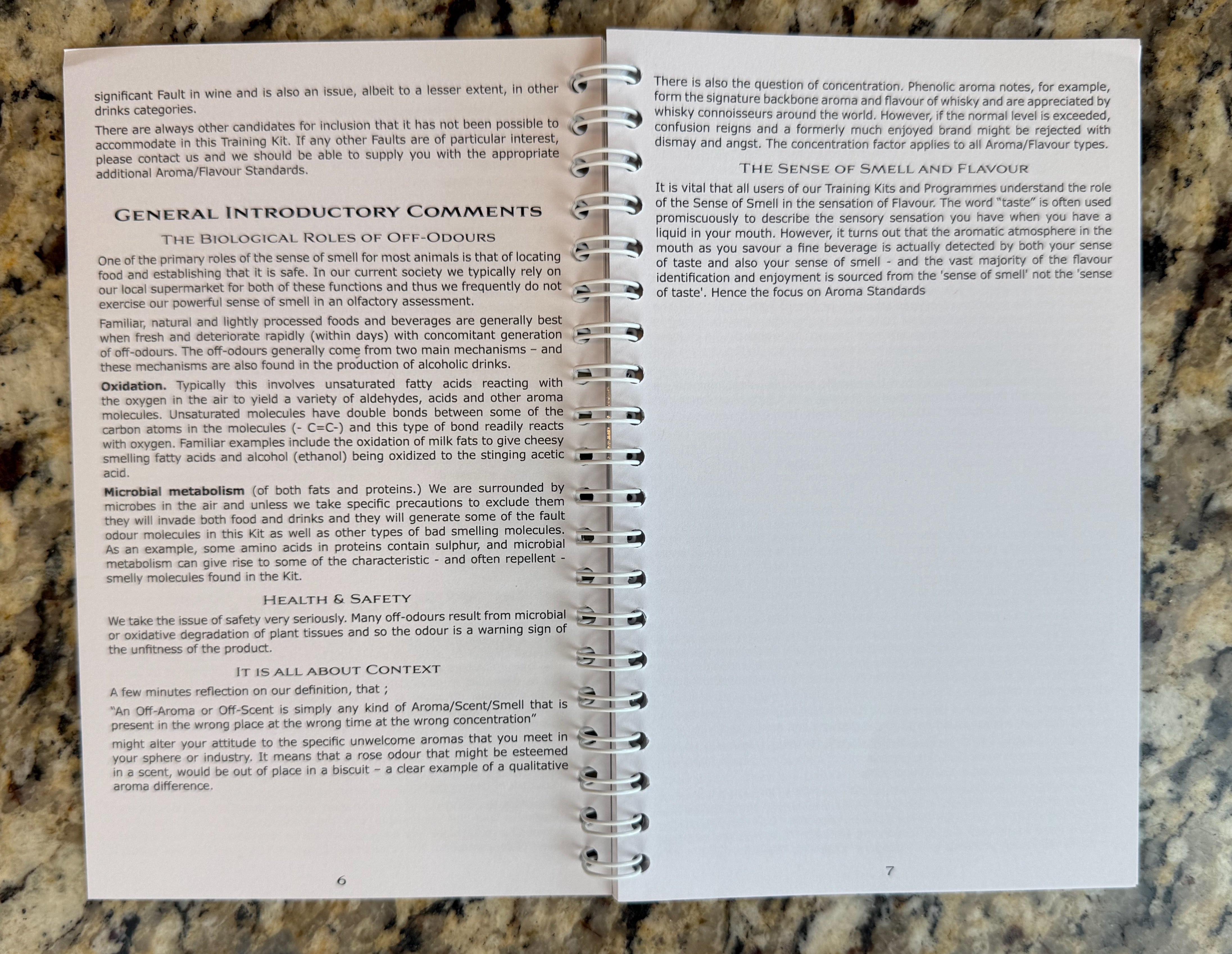
- A 29-page training guide written for this category and no other
The 30 faults you will learn
Acetaldehyde · Acetic Acid (Vinegar) · Antiseptic/Medicinal · Burnt Rubber · Butter (Excessive) · Cheesy/Vomit · Earthy · Estery (Banana-Like) · Fusel Oil · Garlic/Onion · Grassy (Excessive) · Green Bell Pepper (IBMP) · Green Vegetable (Excessive) · Lactic Taint (Off-Butter) · Leather/Farmyard · Metallic · Mushroom · Oxidation (Generic) · Phenolic (Generic) · Rotten Egg (H2S) · Smoky · Solventy · Spicy · Sulphur (Generic) · TCA - Level 1 · TCA - Level 2 · TCA - Level 3 · TCA - Level 4 · Wet Dog · Woody (Excessive)
What's in the 29-page guide
- An introduction to aroma recognition and why a precise vocabulary matters
- Background on wine and spirit faults and how it is made
- Step-by-step instructions for using the kit
- A reference page for every one of the 30 faults: what it smells like, where it comes from, and what it tells you
- An advanced section on aroma profiling: combining strips to build a full profile
Questions people ask
Does it contain alcohol? No. Every aroma standard is propylene glycol based, not alcohol based, so there is no ethanol in the kit at all. Nothing in it is for drinking, and it is a safe gift for someone who doesn't drink.
Do I need any experience? None. The guide starts from zero and the whole method is built around meeting each fault on its own, which is the easiest way to learn one.
Is this the real Aroma Academy kit? Yes. This is the professional Aroma Academy training system used by distillers, brand ambassadors and competition judges worldwide. School of Wine and Spirits is its exclusive US distributor.
How is it shipped? Free US shipping on every order, with 30-day returns. Questions before you buy: call 502.694.8350 or email info@schoolofwineandspirits.com.
Pairs well with
Faults Aroma Masterclass Kit
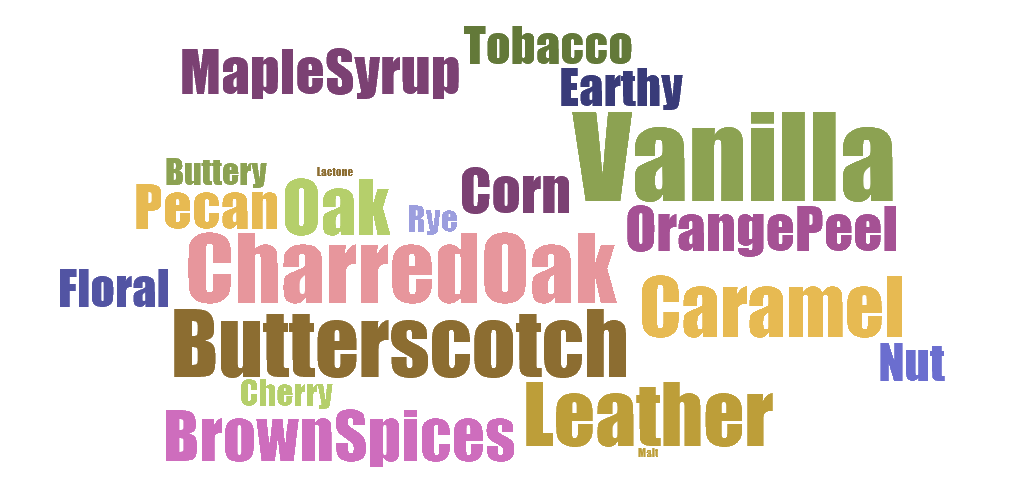
Unlock the Hidden Language of Spirits and Wine
Our Aroma Recognition Training Kits reveal the 24 signature scents that define bourbon, Scotch, Irish whiskey, rum, gin, and wine, empowering enthusiasts and professionals alike to elevate their tasting experience. Refine your sensory skills and discover a new world of flavors with every sip!
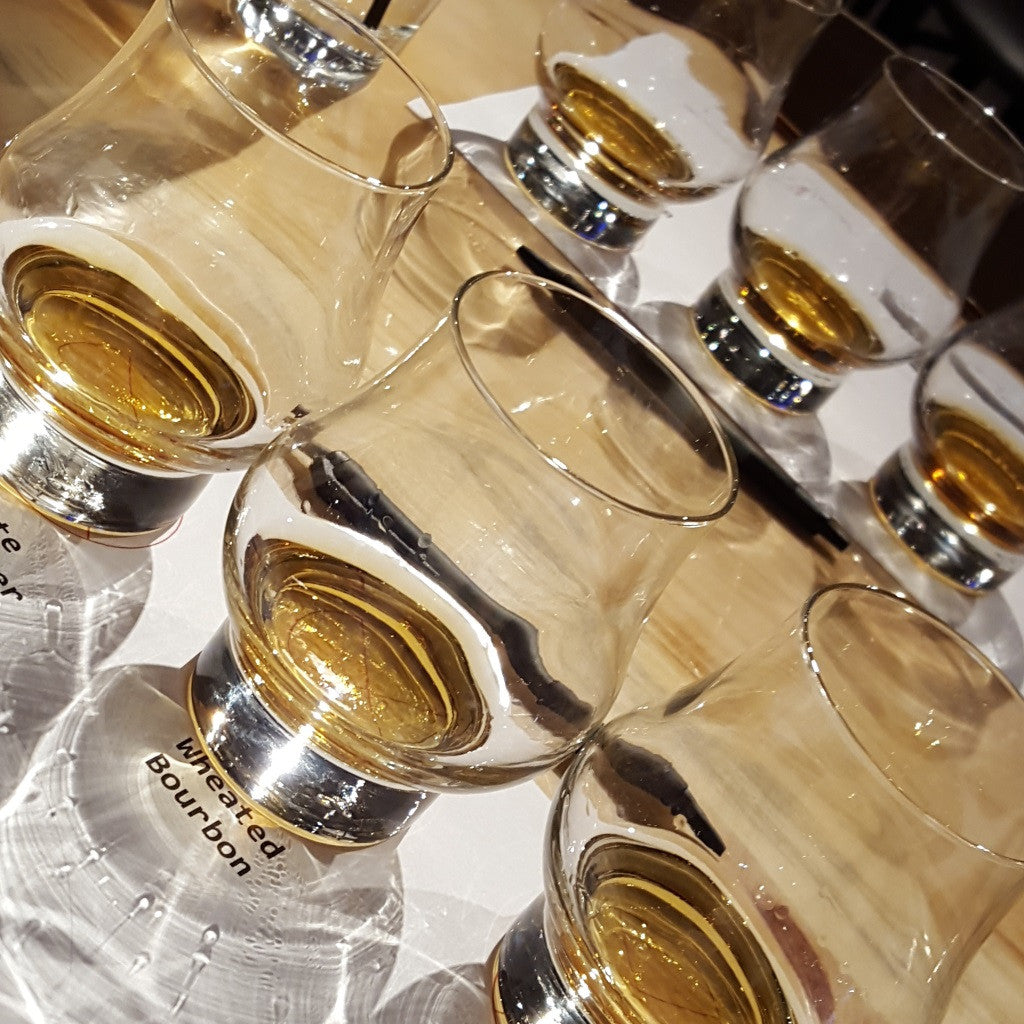
Discover, Train, Taste, Repeat
Our Aroma Recognition Training Kits are your passport to sensory excellence, featuring 24 essential aromas found in premium spirits and wines. Perfect for enthusiasts and professionals, these kits will sharpen your nose, refine your palate, and unlock a deeper appreciation for the complex world of fine beverages.
